
How to Choose the Right Foam Roller for Your Brand
Foam rollers can look similar in a catalog, but material, density, surface pattern, size and construction can create very different products. For B2B buyers, choosing the right combination matters more than simply selecting the lowest quotation.
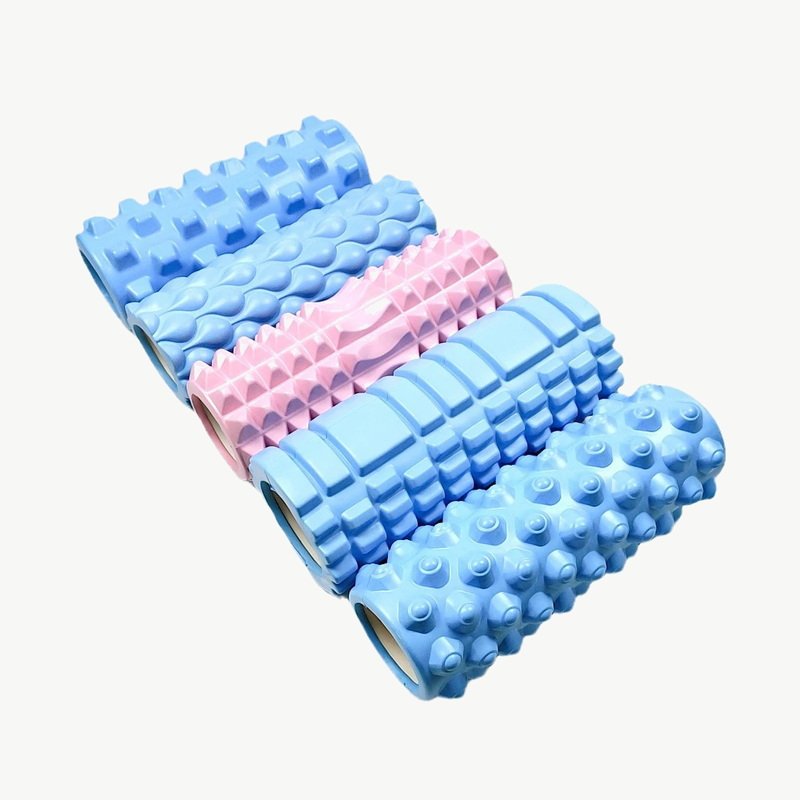
1. Start with the intended user
A foam roller designed for a rehabilitation studio may require a different feel from one intended for home fitness, gym recovery or high-intensity mobility work. Define the target user before comparing specifications.
2. Compare material and construction
EVA, EPP and mixed constructions each offer different combinations of firmness, weight, appearance and cost. Hollow-core rollers also behave differently from solid foam structures.
3. Density affects the user experience
A firmer roller generally creates stronger pressure, while a softer surface is often easier for beginners. Density should therefore be selected according to positioning rather than treated as a purely technical specification.
4. Surface texture should have a reason
Grid, wave, dot and deeper massage textures are often used to create visual differentiation. However, aggressive textures are not automatically better. The pattern should suit the intended recovery experience and customer profile.
5. Size changes both use and logistics
Short rollers are compact and easier to ship, while longer rollers provide broader support for exercises and studio use. Packaging size and carton efficiency should therefore be considered together with product dimensions.
6. Review private-label requirements before sampling
Logo method, product color and packaging can affect MOQ, cost and sample preparation. These requirements should be discussed at the same time as the product specification.
Building a foam roller range?
Movarify can help compare product structures, customization options and packaging requirements across multiple foam roller styles.